
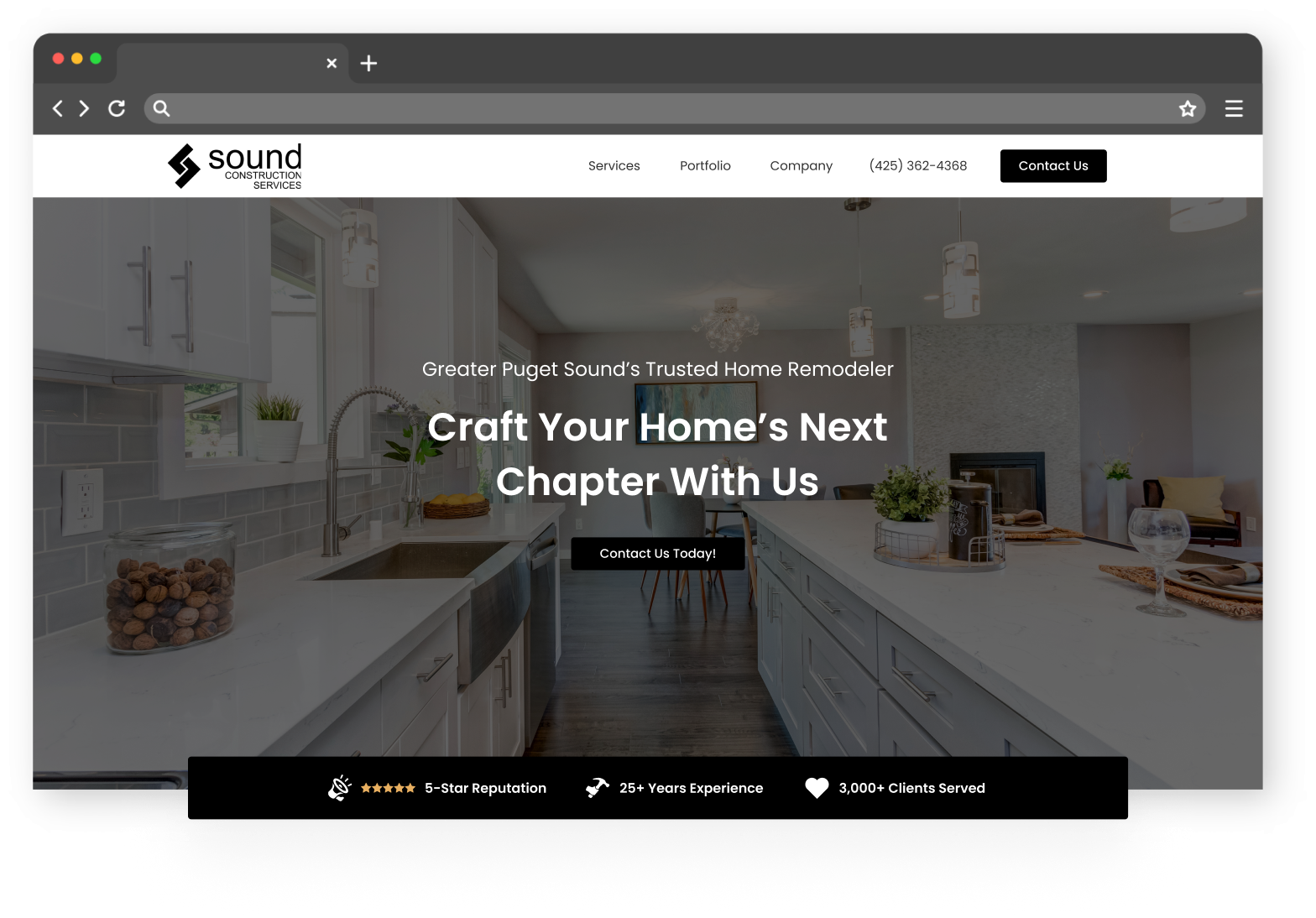
In today’s digital age, a construction website is not just a nice-to-have; it’s the foundation upon which all your online growth initiatives are built. Whether you’re a small construction company or a large firm, your website serves as the cornerstone of your online presence, directly influencing your ability to attract and convert clients. Without a well-designed construction website, it’s nearly impossible to effectively execute other crucial marketing strategies like SEO, paid ads, and social media campaigns.
A high-quality construction website acts as the digital face of your business. It’s where potential clients first learn about your services, explore your completed projects, and decide whether to trust your company with their construction needs. For construction companies, the website is often the first point of contact, making it essential to create a strong, positive impression. A well-crafted website not only showcases your expertise but also drives business growth by converting visitors into leads and clients.
One of the key factors to consider when paying to build or revamp your construction website is the investment required. The market is flooded with options ranging from $3,000 to $20,000, each promising varying levels of design quality, functionality, and support. The price difference can be staggering, but so can the results. Understanding what you’re paying for and what to look for in a provider can make all the difference between a basic online presence and a powerful tool that drives your business forward.
Throughout this guide, we’ll explore what makes the best construction websites stand out, how to choose the right features for your construction website, and what to look for when selecting a web development provider. Whether you’re building a new site or improving an existing one, this guide will equip you with the knowledge to make informed decisions that will benefit your construction company in the long run.
1. Key Elements of the Best Construction Websites
Creating a high-converting construction website is crucial for any construction company looking to stand out in the competitive construction industry. Whether you’re starting from scratch or revamping an existing site, certain key elements are essential to ensure your construction website effectively attracts and converts visitors into clients.
User-Friendly Design
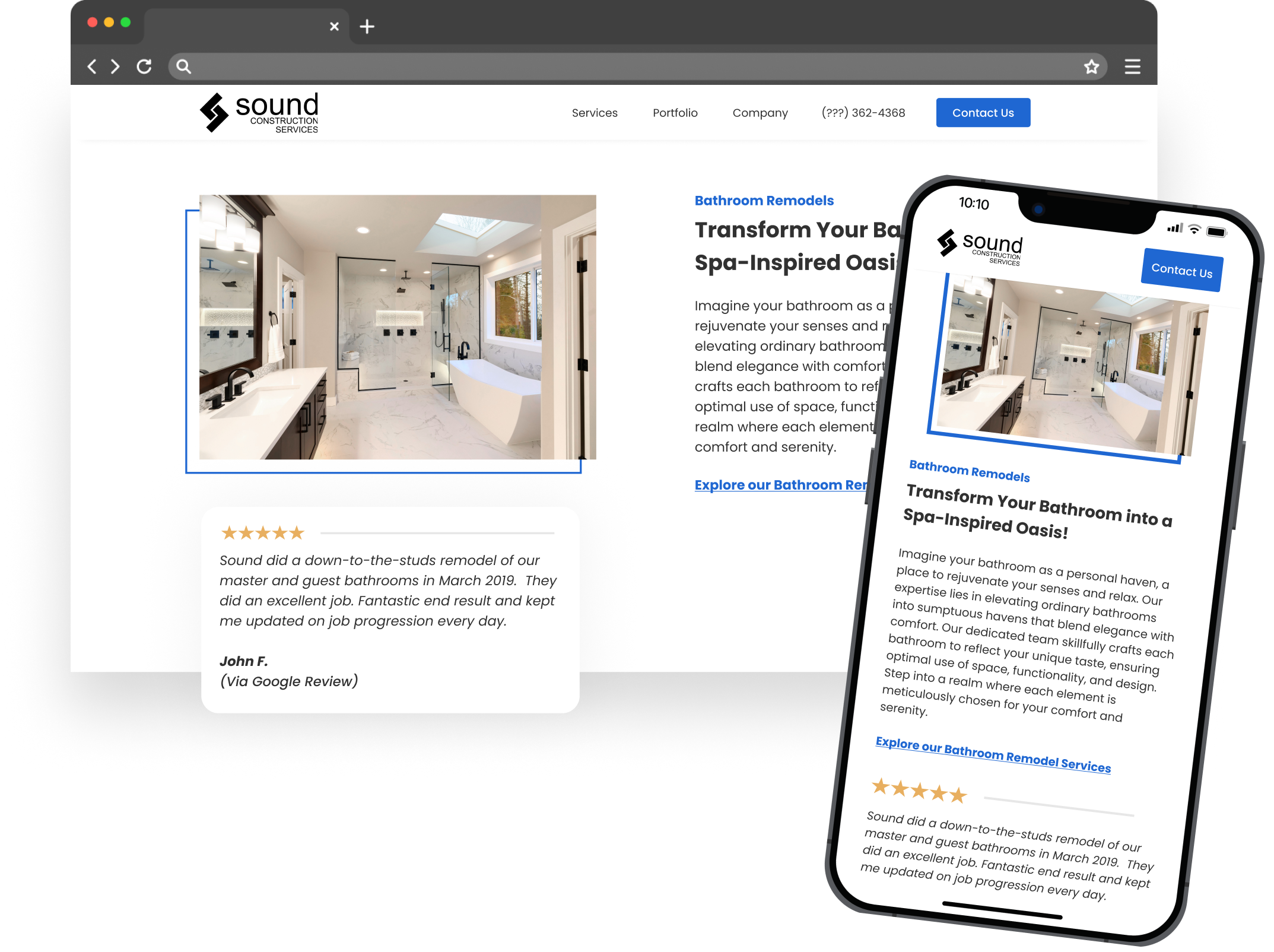
The design of your construction website plays a significant role in user experience. It’s important to ensure that your site is easy to navigate, with intuitive menus and clear pathways to essential information. A user-friendly design helps visitors find what they’re looking for quickly, reducing the chances of them leaving your site in frustration. For construction companies, this means potential clients can easily access information about your services, past projects, and contact details.
Strategically Placed CTAs
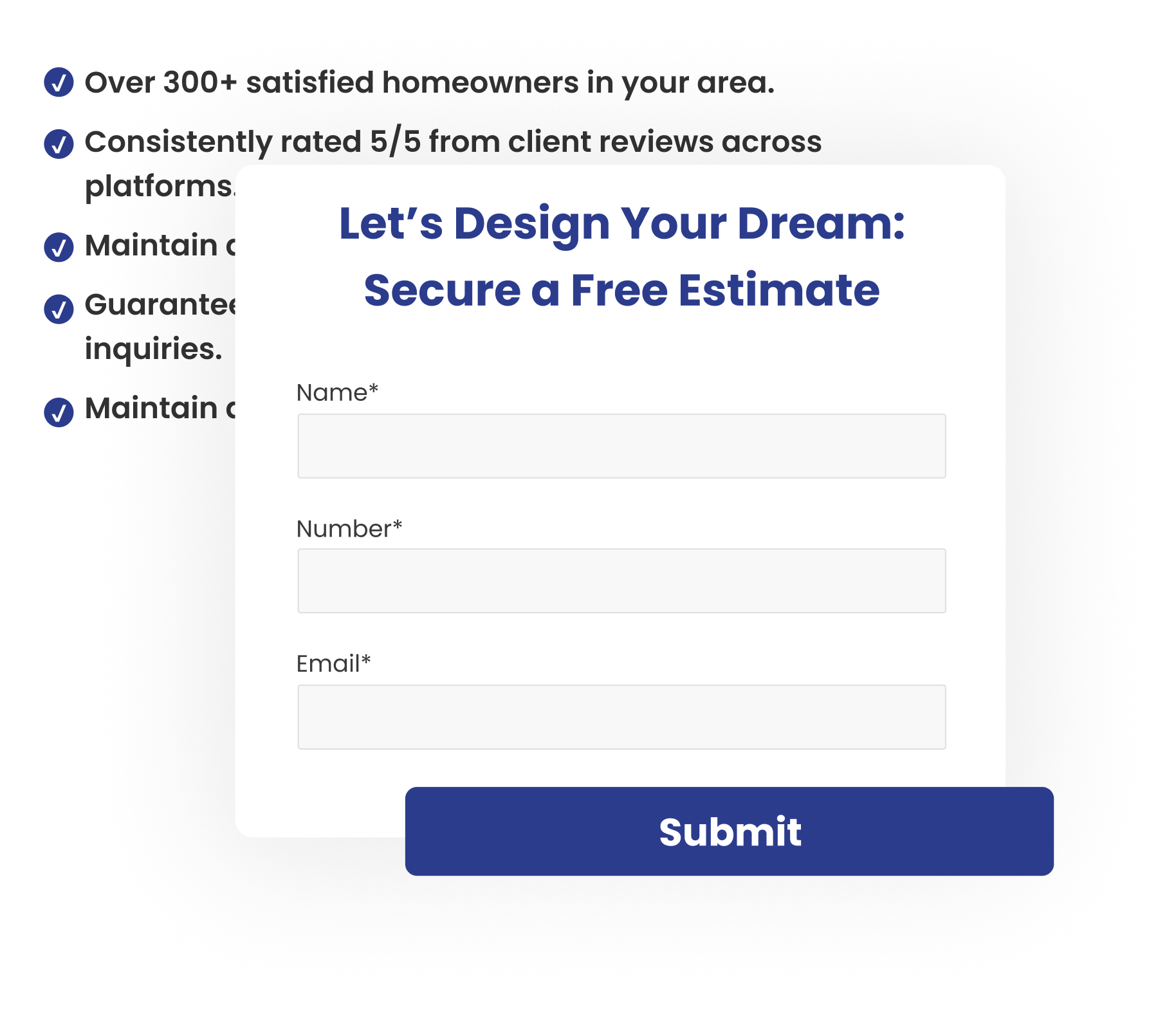
A construction website must have strategically placed calls-to-action (CTAs) that guide visitors toward taking the next step, whether it’s requesting a quote, scheduling a consultation, or contacting your team. CTAs should be prominently displayed and integrated into sticky headers to ensure they are always visible as users scroll through the site. This approach ensures that no matter where a visitor is on your site, they can easily take action, increasing the likelihood of conversion.

Matching Content with User Intent
Understanding and matching user intent is crucial when developing content for construction websites. Your content should align with what visitors are searching for and provide clear, concise information that answers their questions. Whether it’s details about your services, project timelines, or pricing, the content should meet the expectations of your audience.
In addition to meeting user expectations, aligning content with user intent is essential for SEO. When your content effectively answers visitors’ queries, they are more likely to spend time on your site, which is a positive signal to search engines. Longer time spent on a page indicates to search engines that your content is valuable and relevant, improving your website’s ranking in search results. This is especially important for a construction business aiming to attract and retain potential clients through organic search.
2. Essential Pages for a Construction Website
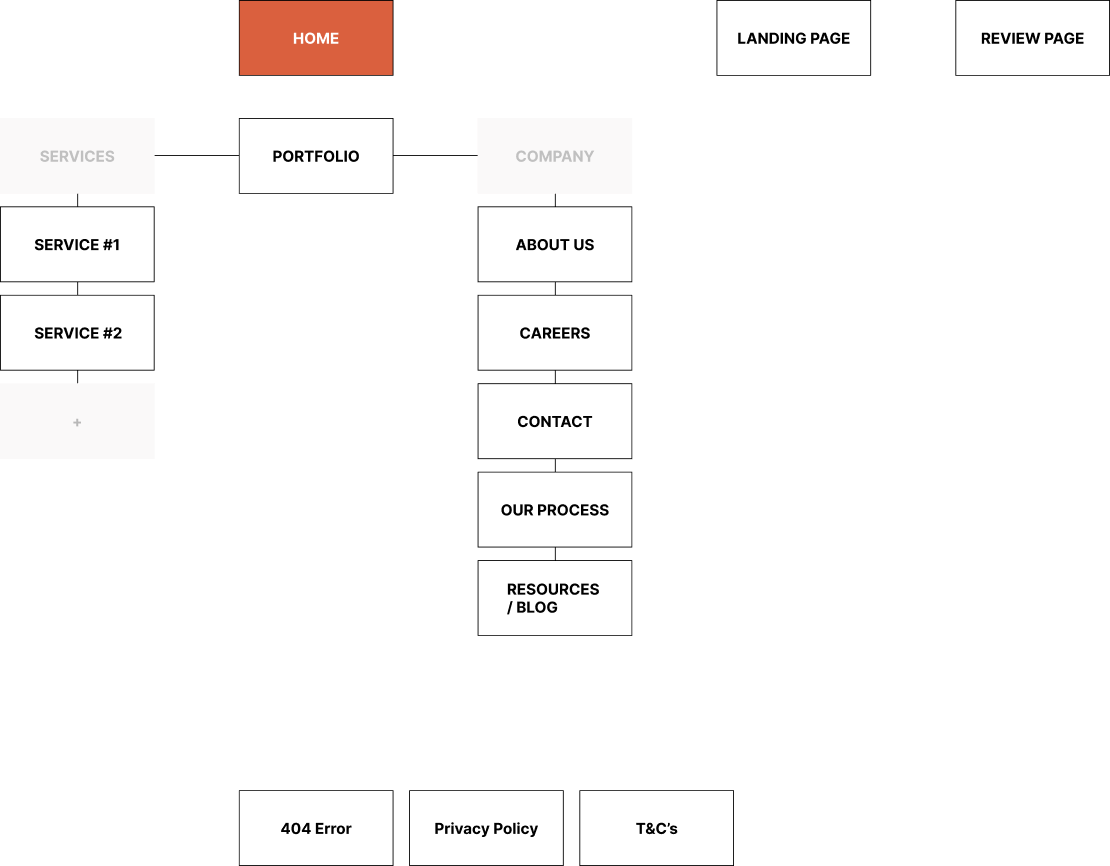
When building a construction website, it’s essential to include specific pages that address the needs of your potential clients while also enhancing your online presence. Each page should serve a distinct purpose, guiding website visitors through the construction web site and encouraging them to take action.
Home Page
The home page is the first impression most visitors will have of your construction business. It needs to immediately answer four critical questions: “What do you do?”, “How can I contact you?”, “Why should I care?”, and “Why should I trust you?” By addressing these questions within seconds, you ensure that visitors understand your services and feel confident in exploring further. Clear navigation, compelling visuals, and strategic calls-to-action (CTAs) are key elements that make your home page effective in converting visitors into leads.
About Us Page
The About Us page is often the second most visited page on Construction websites, and it plays a crucial role in building trust. This page should tell the story of your construction company, highlighting your history, mission, and values. It’s also an opportunity to showcase social proof, such as client testimonials, industry awards, and certifications. By humanizing your brand and demonstrating credibility, the About Us page helps to create a connection with potential clients, making them more likely to choose your services.
Services Pages
For any construction company, clearly outlining the services you offer is vital. Services pages on construction websites should provide detailed descriptions of each service, accompanied by relevant images or case studies. This not only helps website visitors understand what you offer but also enhances your site’s SEO by including service-related keywords. Detailed services pages demonstrate your expertise and give potential clients confidence in your ability to meet their needs.
By including these essential pages, construction companies can create a website that effectively communicates their value proposition, builds trust, and converts visitors into clients in the highly competitive construction industry.
3. Optimizing Construction Websites for SEO
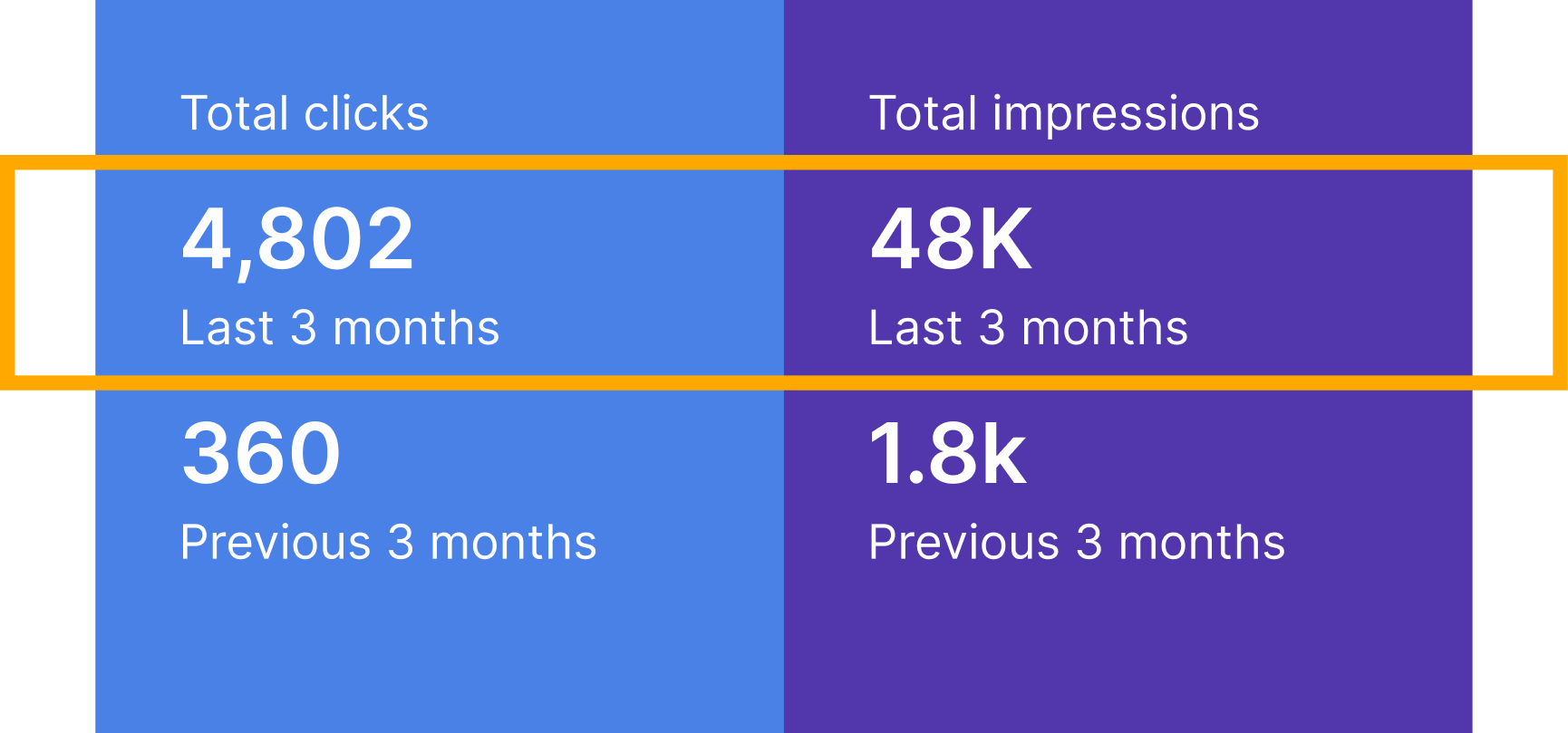
In the competitive construction industry, having a well-designed construction website is just the beginning. To ensure your site attracts the right audience and drives business growth, it’s essential to focus on search engine optimization (SEO). SEO is the process of optimizing your construction website to rank higher on search engine result pages, making it easier for your target audience to find you.
On-Page SEO Best Practices
On-page SEO involves optimizing individual pages on your construction website to improve their visibility. This includes strategically placing keywords related to your services within your content, titles, and meta descriptions. For construction websites, it’s crucial to incorporate keywords that accurately reflect the services your construction business offers, such as “commercial construction” or “residential remodeling.” These keywords help search engines understand the content of your pages and match them with relevant searches.
Local SEO Strategies
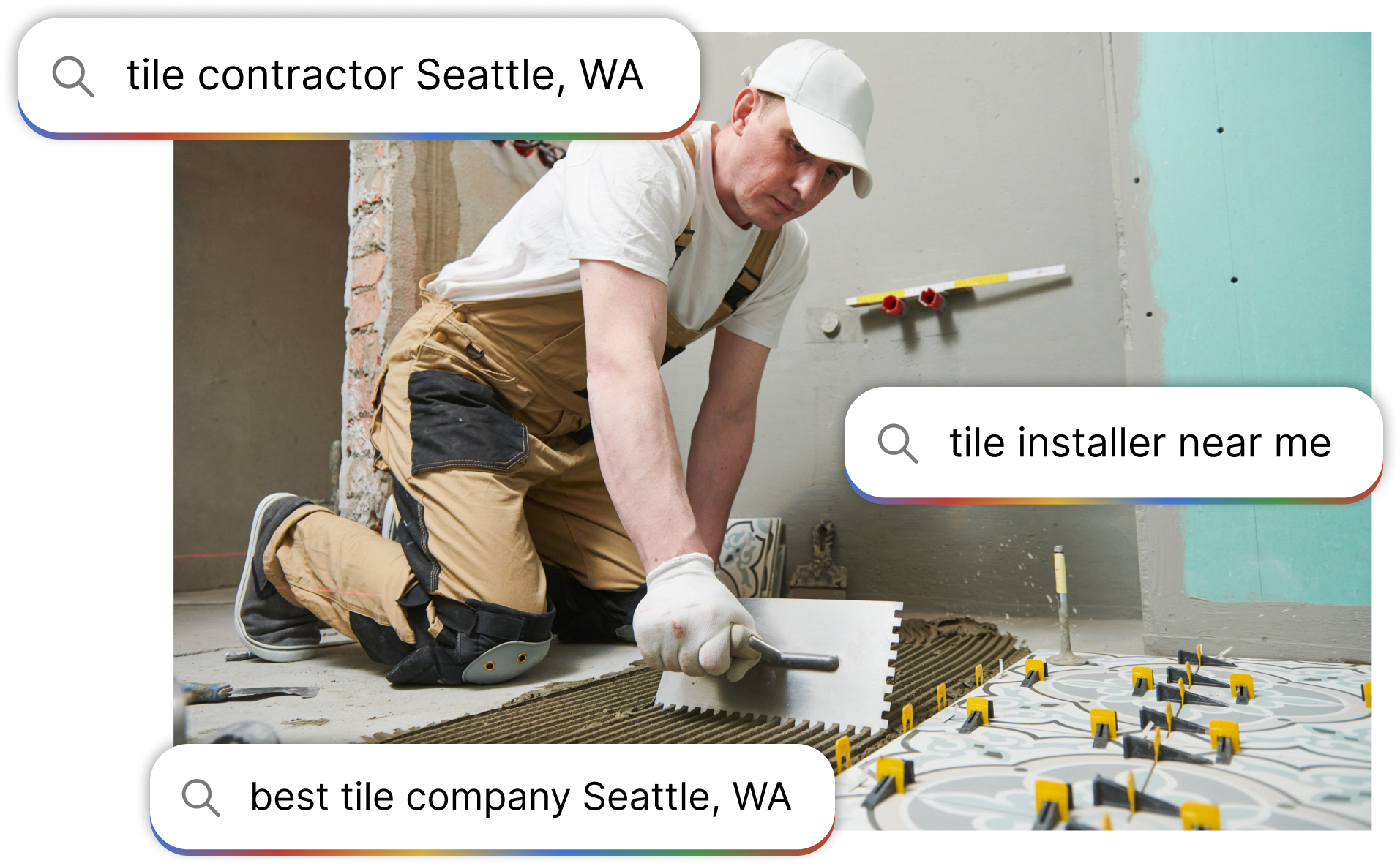
For a construction company, local SEO is particularly important. Since most construction businesses serve specific geographic areas, optimizing your site for local searches can significantly boost your visibility. This includes adding location-specific keywords, such as city or region names, to your content and metadata. Additionally, claiming and optimizing your Google My Business profile ensures that your construction website appears in local search results and on Google Maps, making it easier for clients in your area to find you.
Avoiding Blackhat Tactics and Adhering to E-E-A-T Guidelines
It’s crucial to avoid blackhat SEO tactics that attempt to “game” Google. These practices, such as keyword stuffing, buying backlinks, or using hidden text, might offer short-term gains but can lead to severe penalties when Google updates its algorithms. Given that Google Search updates are frequent, what works today may not work tomorrow. Instead, your strategy should adhere to Google’s E-E-A-T (Experience, Expertise, Authoritativeness, Trustworthiness) guidance. By focusing on establishing your construction website as a credible and authoritative source, you can build a strong foundation that will stand the test of time.
Before targeting hyper-competitive keywords, it’s essential to first establish your experience, expertise, authority, and trustworthiness with Google. By building a solid reputation through high-quality content and ethical SEO practices, your construction business will be better positioned for long-term success. For more in-depth strategies, check out our article on Construction Company SEO: Boost Your Online Visibility and Rank Higher.
By implementing these SEO strategies and adhering to best practices, your construction website can achieve greater visibility, attract more visitors, and drive growth for your construction business in a competitive industry.
4. Website Design: Building Trust and Credibility
In the competitive world of construction, building trust and credibility is crucial for the success of your construction business website. Construction websites that effectively showcase a company’s reputation and reliability are more likely to convert visitors into loyal clients. This section will cover key strategies that can help your site establish trust and authority within the industry.

Client Testimonials and Reviews
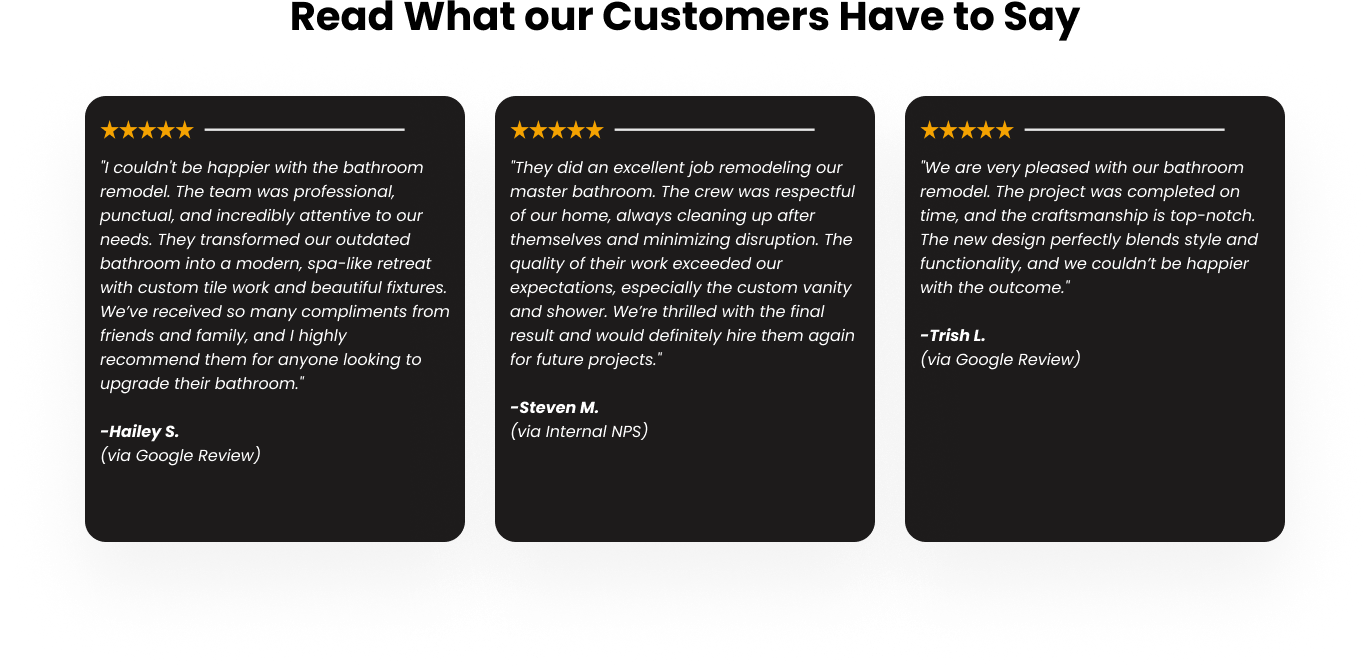
One of the most effective ways to build trust on construction company websites is by featuring client testimonials and reviews. These serve as powerful endorsements, providing social proof that your company delivers quality work. By prominently displaying positive feedback from satisfied clients, you can reassure new visitors that they’re making a wise choice in considering your services. Reviews and testimonials should be updated regularly to reflect your most recent projects and maintain relevance
Showcasing Certifications and Awards
For any construction management company, industry certifications and awards play a significant role in demonstrating expertise and reliability. Highlighting these accolades on your website can differentiate you from competitors and reinforce your commitment to excellence. Include logos of any certifications, awards, or memberships in professional organizations on your site’s homepage or a dedicated “About” page to make these achievements easily visible.
Transparency in Pricing and Services
Another key element in building trust on construction industry websites is transparency. Clearly outlining your services and pricing on your website can help potential clients feel more confident in their decision-making process. When visitors know exactly what to expect, they’re more likely to engage with your company and move forward with a project. This level of clarity is particularly important in construction management, where clients often seek a comprehensive understanding of what their investment entails.
By focusing on these strategies, construction company websites can effectively establish trust and credibility, setting the stage for long-term client relationships. These elements are essential for turning your construction industry website into a powerful tool for growth and success.
5. Leveraging Technology and Automation
In today’s digital landscape, integrating advanced technology into your construction website design is essential for improving client management and streamlining operations. One of the most impactful tools you can incorporate into your construction site is a Customer Relationship Management (CRM) system.
CRM Integration and Dynamic Lead Management
Integrating a CRM system into your construction website design offers a powerful way to manage client interactions and optimize your business processes. When a potential client submits a contact form on your website, the information can be automatically fed into your CRM, where it triggers a series of dynamic actions based on the selections made on the form. For example, if a client indicates interest in specific construction services, the CRM can automatically initiate a tailored follow-up sequence, providing relevant information and setting the stage for further engagement.
This level of automation ensures that every lead is handled promptly and efficiently, without requiring manual intervention. For a business owner, this means that no opportunities are missed, and each client receives personalized communication that aligns with their expressed needs. By using CRM-driven sequences, you can enhance the client experience, ensuring that they feel valued and understood from the moment they first interact with your professional construction team.
6. Understanding the Difference: $3,000 vs. $20,000 Websites
When it comes to paying for a construction website to be built, the price can vary dramatically. You might wonder what the difference is between a $3,000 website you can order from a service like GoDaddy and a $20,000 website from a big-name construction marketing company. The truth is, the difference often comes down to the level of content depth, functionality, and ongoing support you receive.
$3,000 Websites: Thin Content and Limited Features
A $3,000 website typically offers a very basic setup, often characterized by “thin” content—pages that contain minimal information and fail to provide real value to visitors. These sites might include generic service descriptions, sparse contact information, and a few images, but they lack the detailed content necessary to engage users and rank well on search engines. This type of website often struggles to justify the creation of its individual pages, leaving visitors with more questions than answers. Additionally, these websites come with limited functionality and minimal support, meaning you may find yourself needing costly updates or overhauls sooner than you’d like.
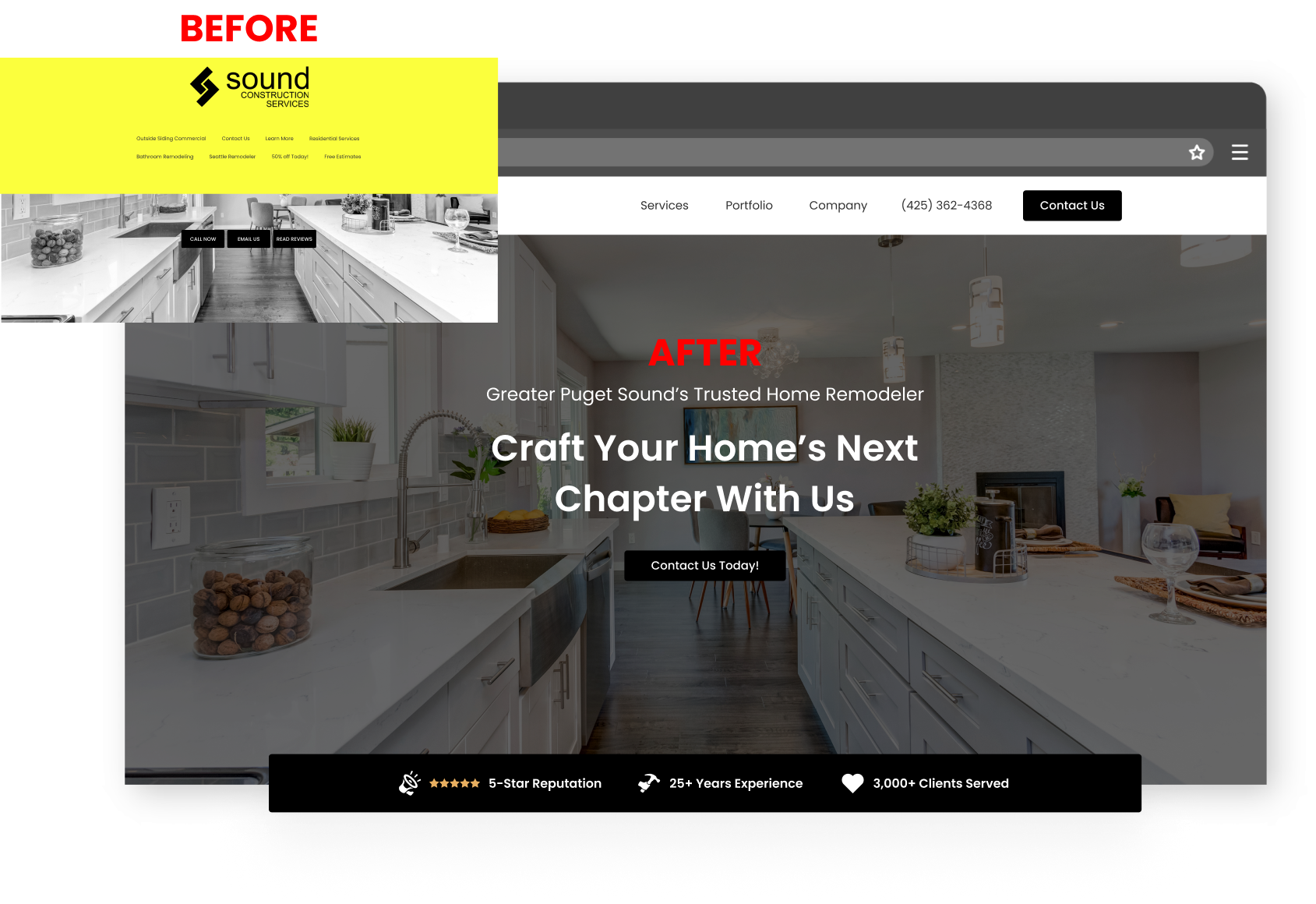
$20,000 Websites: Comprehensive and Customized Solutions
On the other end of the spectrum, a $20,000 website from a big-name construction marketing company offers extensive customization, rich content, and advanced features. These websites are typically built to provide a robust user experience, with well-researched and engaging content that thoroughly covers your services. They also include features like CRM integration, custom content management systems, and sophisticated SEO strategies. With ongoing support and updates, these websites are designed to grow with your business, ensuring long-term value.
Our Approach: High-Quality at a Fair Price
At IMPACT Digital, we offer a balanced approach. Our $7,500 websites deliver the quality and functionality of a $20,000 website but at a more accessible price point. This is possible thanks to our extensive experience in software marketing, where we competed against massive venture capitalist-backed companies. Through this experience, we learned what truly moves the needle in digital marketing and website development. We understand where to invest resources for maximum impact and where to streamline processes without sacrificing quality.
7. Conclusion: Building a Website That Reflects Your Expertise
In the competitive world of construction, your website is more than just a digital presence—it’s a reflection of your expertise, capabilities, and commitment to quality. Effective website design is crucial for showcasing your construction services, displaying past projects, and attracting new clients. Whether you’re focusing on custom construction, renovations, or modern construction techniques, your website should embody the best construction website designs that resonate with your target audience.
To stand out in a crowded market, your website needs to be visually appealing and functionally robust. Incorporating high-quality images that highlight your past projects and craftsmanship can make a significant impact. Additionally, staying updated with the latest trends and incorporating them into your website design will help you stay relevant and appealing to potential clients.
By prioritizing thoughtful, user-centered website design, you ensure that your online presence accurately reflects the professionalism and quality of your work. Whether you’re building a new site or enhancing an existing one, focusing on elements like aesthetics, clear navigation, and engaging content will help your business thrive.
Ultimately, your website – whether residential or a commercial construction website – is the foundation upon which all your digital marketing efforts are built. It should serve as a dynamic platform that not only showcases your best work but also adapts to the ever-changing landscape of construction trends and client expectations. With a well-designed website, your construction business can effectively communicate its value, attract more clients, and secure its place in the industry. For a comprehensive overview of how to elevate your digital marketing strategy, be sure to check out our Ultimate Guide to Marketing for Construction Companies.