

In the construction industry, effective marketing is no longer just an option—it’s essential for any construction company aiming to scale and succeed. Despite being one of the least digitized sectors, there’s a tremendous opportunity for those who embrace modern marketing strategies. As the second least digitized industry, construction businesses often lag in leveraging digital tools, making it a prime area for growth.
Marketing is the key to scalability for construction companies. Without a strong marketing plan, maintaining a steady flow of projects becomes challenging, and growth can stagnate. Whether you’re a small construction business or a larger, established firm, marketing is crucial for reaching new clients and expanding your footprint.
The construction industry’s slow adoption of digital marketing means there’s a significant advantage for those who invest in it now. Traditional methods, like TV and newspaper, while still valuable, don’t offer the same reach or efficiency as digital strategies. By incorporating innovative construction marketing ideas, your company can stand out in a crowded market and attract more clients.

A strong online presence is vital for construction companies today. It’s no longer enough to rely solely on word of mouth or traditional advertising. Clients are increasingly turning to online resources to find and vet potential contractors, and a robust digital marketing strategy ensures that your business is visible and appealing to these prospects.
Marketing also plays a crucial role in building trust and credibility within the construction industry. A company with a well-managed online reputation, backed by positive reviews and strong testimonials, is more likely to win contracts. This trust is built through consistent and targeted marketing efforts that highlight your company’s strengths and successes.
In summary, marketing isn’t just about visibility—it’s about creating a scalable system that drives growth. The untapped potential in the construction industry presents a unique opportunity for companies ready to embrace digital marketing. Throughout this guide, you’ll discover construction marketing ideas that can help elevate your business and secure your place in the market.
1. Building a Strong Online Presence for Your Construction Company
A strong online presence is essential for any construction business looking to thrive in today’s competitive market. The construction industry has traditionally relied on word of mouth and local advertising, but the shift towards digital marketing is undeniable. At the heart of this shift is a well-designed construction website, which serves as the digital front door for your company.
Key Elements of a High-Converting Construction Website
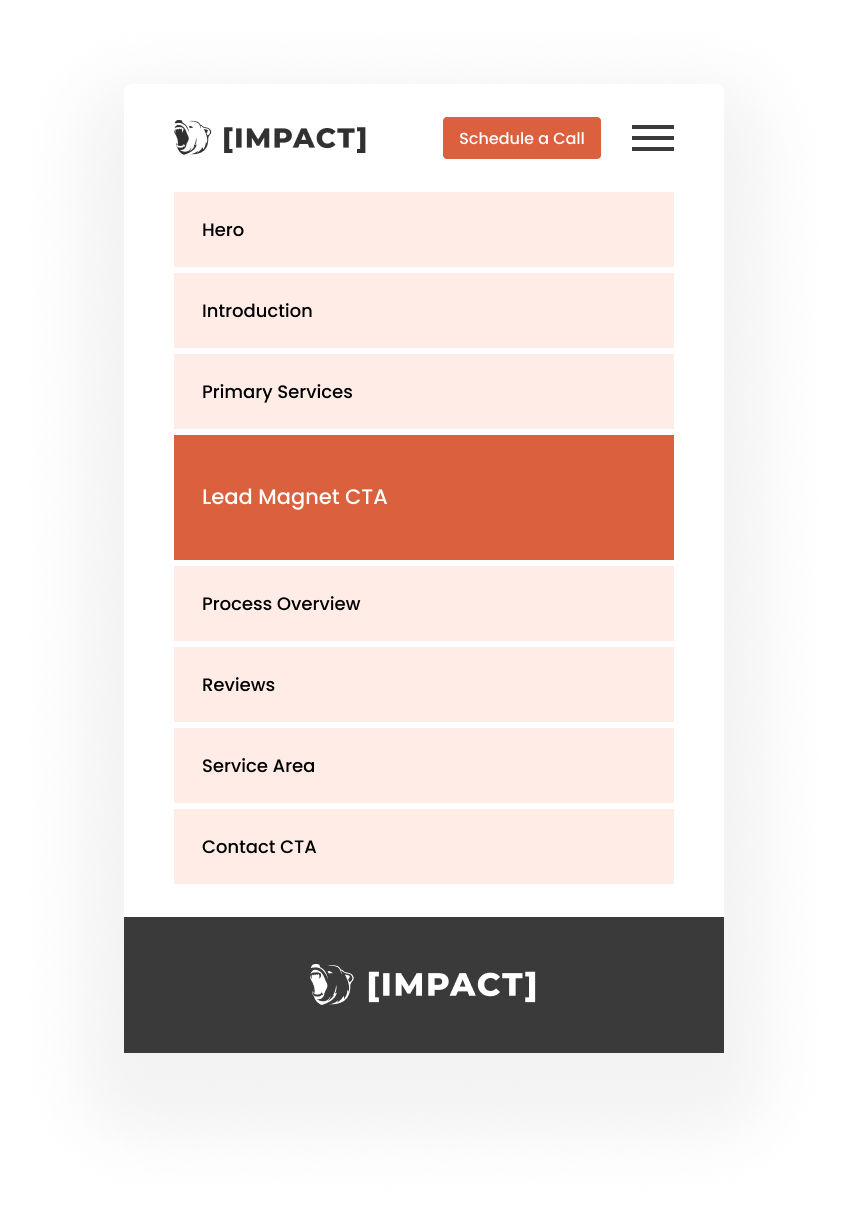
To effectively convert visitors into clients, your construction website must incorporate several key elements. A sticky header with a clear call-to-action (CTA) ensures that potential clients always have access to important information, such as contact details or a “Request a Quote” button, no matter where they are on the site. This simple feature can significantly boost conversion rates by making it easy for visitors to take immediate action.
Another critical component is intertwining social proof throughout your company website. Displaying client testimonials, showcasing project case studies, and including logos of well-known companies you’ve worked with helps build trust with potential clients. In an industry where reputation is everything, social proof demonstrates that your construction business is credible and experienced.
Service pages are also crucial for a construction website. These pages should provide detailed descriptions of the services you offer, along with examples of completed projects. This not only helps with search engine optimization (SEO) but also ensures that visitors can quickly find the information they need. A well-structured service page is a cornerstone of effective marketing strategies for any construction company.
Mobile Optimization and User Experience
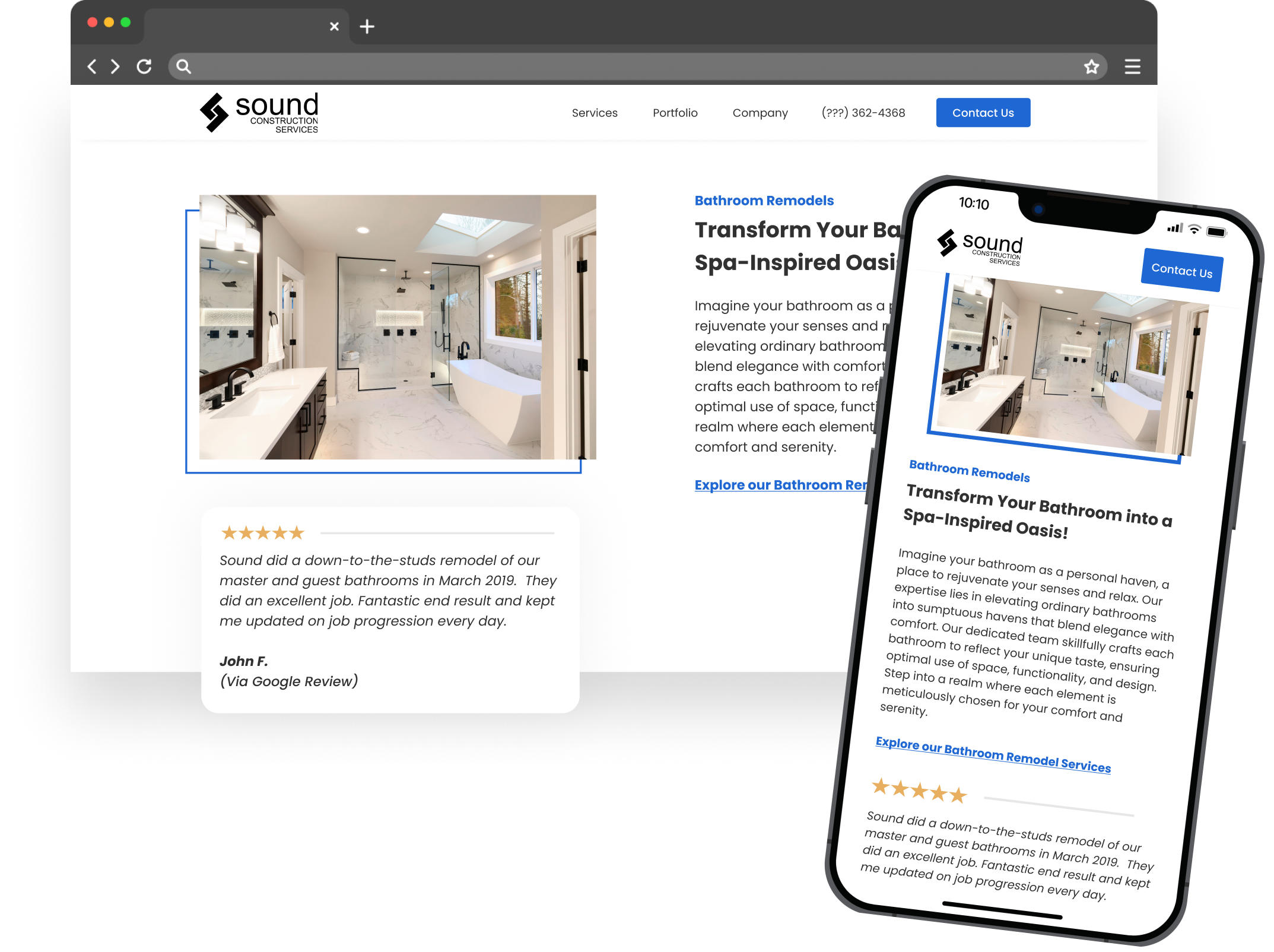
As more clients turn to mobile devices to search for services, ensuring your construction website is fully optimized for mobile use is non-negotiable. A mobile-friendly design guarantees that your site looks great and functions well on smartphones and tablets, providing a seamless user experience. Since Google prioritizes mobile-optimized sites in its search rankings, this is a critical aspect of your online presence.
User experience (UX) should be intuitive and straightforward. Clear navigation, fast load times, and easy-to-find information are all crucial for keeping visitors engaged. A well-designed UX on your company website not only keeps potential clients on your site longer but also increases the likelihood of them taking the next step.
Building a strong online presence begins with a high-converting construction website that is well-designed, mobile-optimized, and packed with valuable content. These elements form the foundation of successful marketing campaigns, helping your construction business stand out in the competitive construction industry. For more detailed insights, be sure to explore our dedicated article on construction company websites.
2. SEO for Construction Companies
Search engine optimization (SEO) is a vital component of any successful marketing campaign for a construction company. In an industry where local visibility is crucial, implementing effective SEO strategies can make the difference between being found by potential clients or being overlooked.

On-Page SEO Best Practices
On-page SEO involves optimizing individual web pages to rank higher on search engines like Google. This includes keyword research, where you identify the terms potential clients are searching for. By strategically placing these keywords throughout your website, particularly in headings, meta descriptions, and content, you improve your chances of ranking well on search engines.
Local SEO Strategies
For a construction company, local SEO is especially important. Clients often search for services in their area, so optimizing your website for local searches is key. This includes claiming and optimizing your Google My Business listing, ensuring your name, address, and phone number (NAP) are consistent across all online platforms, and encouraging satisfied clients to leave positive reviews.
Content Creation: Blogs and Articles
Content creation is another critical aspect of SEO. By regularly publishing high-quality blogs and articles that incorporate targeted keywords, you can drive organic traffic to your site. Quality content not only helps with keyword research but also positions your company as an authority in the construction industry. Over time, this can lead to earning backlinks naturally, further boosting your search engine rankings.

Avoiding Blackhat Tactics
While it might be tempting to take shortcuts, it’s essential to avoid blackhat SEO tactics. These practices, such as keyword stuffing, buying backlinks, or using hidden text, can lead to severe penalties from search engines. These penalties can drastically lower your website’s rankings, making it harder for potential clients to find your construction company. Instead, focus on ethical SEO practices that provide long-term benefits and maintain your site’s credibility.
SEO is a powerful tool in your construction marketing ideas arsenal, helping your company improve visibility and attract more clients.
3. Managing Your Online Reputation
In the digital age, a construction company’s reputation can make or break its success. Managing online reviews and maintaining a positive reputation are critical components of any effective marketing campaign. Potential clients often rely heavily on reviews to decide which construction businesses to trust with their projects, making it essential to actively manage and enhance your online presence.

Why Online Reputation Matters
Your reputation is a reflection of your construction company’s credibility and reliability. Positive reviews not only build trust with your target audience but also play a significant role in improving your visibility on search engines. This makes managing your online reputation a vital part of your overall marketing strategy.
Building Trust Through Reviews and Testimonials
Encouraging satisfied clients to leave positive reviews on platforms like Google My Business, Yelp, and industry-specific sites is crucial. These reviews serve as powerful social proof, demonstrating the quality of your work to prospective clients. Additionally, featuring testimonials and case studies on your social media profiles and company website further reinforces your credibility.
Responding to Reviews
Actively responding to both positive and negative reviews is another important aspect of reputation management. Engaging with your audience shows that you value their feedback and are committed to maintaining high standards. Addressing concerns or complaints professionally can turn a potentially negative situation into an opportunity to demonstrate your company’s dedication to customer satisfaction.
Managing your online reputation is essential for building trust and attracting new clients. Incorporating reviews and testimonials into your marketing campaigns can significantly enhance your construction business’s credibility.
4. Leveraging Paid Advertising for Your Construction Business
Paid advertising is a powerful tool for construction companies looking to generate leads quickly and effectively. When executed correctly, ads can drive more qualified leads to your business, ensuring that your marketing campaigns reach the right audience at the right time. Whether you’re using Google Ads, social media platforms, or other online advertising channels, paid ads are essential for attracting high quality leads and growing your client base.

Creating Effective Ad Campaigns
The key to successful paid advertising lies in creating campaigns that resonate with your target audience. This starts with well-crafted ads that highlight your services, expertise, and unique selling points. By using precise targeting options, such as location, demographics, and interests, you can ensure that your ads are seen by those most likely to need your services, leading to more qualified leads.
Maximizing ROI on Paid Ads
To maximize the return on investment (ROI) from your ad spend, it’s important to continuously monitor and optimize your campaigns. This involves analyzing ad performance data to identify which ads are generating the most high quality leads and making adjustments as needed. A/B testing different ad creatives, headlines, and targeting options can help you refine your marketing strategies and achieve better results.

Targeting the Right Audience
Effective targeting is crucial for ensuring that your ads generate leads that are likely to convert into paying clients. By focusing on the right keywords and audience segments, your ads will reach those who are actively searching for the services your company offers. This targeted approach not only increases the likelihood of generating more qualified leads but also improves the overall efficiency of your marketing campaigns.
Paid advertising is an indispensable part of any construction company’s marketing strategy. By creating targeted, effective ads, you can attract more high quality leads and grow your business.
5. Harnessing the Power of Social Media
Social media is an indispensable tool for construction companies looking to build their brand, engage with clients, and generate more leads. A well-executed social media strategy can help your company stand out in a competitive market, allowing you to showcase your work, connect with your audience, and build trust through consistent engagement.

Choosing the Right Social Media Platform
The first step in effective social media marketing is selecting the right platform for your construction company. Platforms like Facebook, Instagram, and LinkedIn are particularly effective for construction businesses. Facebook offers robust advertising options and a broad audience, while Instagram allows you to visually showcase your projects through photos and videos. LinkedIn, on the other hand, is ideal for networking and connecting with other industry professionals.
Creating Engaging Content
Creating and sharing engaging social media posts is key to maintaining an active presence. These posts can include project updates, behind-the-scenes looks at your construction processes, client testimonials, and before-and-after photos of finished projects. This content not only keeps your audience engaged but also serves as social proof of your expertise and reliability.

Building Trust Through Consistent Engagement
Social media isn’t just about generating leads; it’s also a platform for building trust with your audience. By regularly posting high-quality content and interacting with followers, you demonstrate your commitment to transparency and client satisfaction. Responding to comments, answering questions, and participating in relevant discussions further strengthens your brand’s reputation.
Leveraging Paid Advertising
To expand your reach and attract more potential clients, consider incorporating social media advertising into your marketing strategy. Paid ads on platforms like Facebook and Instagram can target specific demographics, ensuring that your message reaches the right audience. These ads can be particularly effective when combined with organic efforts, creating a comprehensive approach to your online presence.
Measuring Success
Regularly evaluating the effectiveness of your social media strategy is essential for continuous improvement. Analyzing metrics such as engagement rates, follower growth, and the performance of posts can help you understand what’s working and where adjustments are needed. This data-driven approach ensures that your efforts align with your overall business goals.
Social media is a powerful tool for construction companies to connect with their audience, build trust, and grow their brand. By leveraging both organic content and advertising, you can create a strong online presence that drives results.
6. Building a Strong Brand
Branding is a critical component of your marketing efforts as a construction company. A strong brand not only helps you stand out in a crowded market but also builds trust and loyalty among your target audience. Effective branding goes beyond just a logo or a color scheme; it encompasses the entire experience that customers have with your business.

Defining Your Brand Identity
The first step in building a strong brand is to clearly define your brand identity. This involves understanding your core values, mission, and the unique selling propositions that set your company apart from competitors. Construction professionals must ensure that their branding reflects the quality, reliability, and expertise that clients expect. A well-defined brand identity helps you communicate consistently across all marketing channels, enhancing brand visibility.
Building Brand Awareness Through Consistent Marketing Tactics
To build brand awareness, it’s essential to implement consistent marketing tactics across all platforms. This includes using your logo, color scheme, and messaging consistently on your website, social media, and advertising materials. Vehicle wraps, yard signs, and branded uniforms are also effective ways to increase your brand’s visibility in the local community. These visual elements reinforce your company’s presence and make it easier for potential clients to recognize and remember your business.
Leveraging Branding to Engage Existing Customers
Your branding should also be a key part of your strategy to engage with existing customers. A strong brand creates a sense of loyalty, encouraging repeat business and referrals. By consistently delivering on your brand promise, you can turn satisfied clients into brand advocates who help spread the word about your services. This kind of organic growth is one of the most effective marketing strategies for long-term success.
Effective branding is essential for building brand awareness, enhancing brand visibility, and engaging your target audience. By focusing on consistent branding across all marketing channels, construction professionals can create a strong and recognizable brand that drives growth.
7. Exploring Lead Purchasing Options
Lead purchasing can be a valuable component of your construction marketing strategy, providing a steady stream of potential clients who are actively seeking the services you offer. For many construction companies, especially those looking to grow quickly, purchasing leads can be an effective way to supplement organic lead generation efforts. However, it’s crucial to approach lead purchasing with a clear understanding of how it fits into your overall construction marketing plan.
Evaluating the Quality of Leads
In construction marketing, not all leads are created equal. When purchasing leads, it’s essential to evaluate their quality. High-quality leads should be individuals or businesses genuinely interested in your construction services and likely to convert into paying customers. Choosing a reputable lead provider and focusing on leads that closely match your target market can increase your chances of securing valuable projects.
Balancing Lead Purchasing with Other Strategies
While purchasing leads can quickly generate business, it shouldn’t replace your broader construction marketing strategy. A great construction marketing strategy balances lead purchasing with organic growth tactics like SEO, social media engagement, and website optimization. This ensures that your marketing efforts are diversified and sustainable over the long term.
Lead purchasing can be a useful tool in your construction marketing toolkit, helping to generate immediate opportunities. However, it’s important to integrate this approach into a well-rounded construction marketing strategy that also emphasizes organic growth.
8. Engaging Clients Through Email Marketing
Email marketing is an often overlooked yet highly effective tool in construction marketing. When used correctly, it can help you stay top of mind with prospective clients, nurture leads, and re-engage past customers. For construction companies looking to maximize their marketing budgets, leveraging email marketing is a cost-effective way to build and maintain relationships with your audience.

Building a Targeted Email List
The foundation of any successful email campaign is a targeted email list. This list should include both potential clients and past customers who have expressed interest in your construction services. By segmenting your list based on factors like location, project type, or client history, you can tailor your messages to be more relevant and engaging, increasing the likelihood of conversion.
Creating Valuable Content
In the realm of construction industry marketing, the content of your emails is crucial. Your emails should provide value to your recipients, whether through informative newsletters, updates on recent projects, or exclusive offers. Highlighting your expertise and showcasing completed projects can help build trust and keep your company at the forefront of your clients’ minds when they need construction services.
Automating and Measuring Success
One of the key benefits of email marketing is the ability to automate your campaigns. Automation allows you to send timely, personalized messages without constant manual effort. Additionally, tracking metrics such as open rates, click-through rates, and conversions provides valuable insights into the effectiveness of your campaigns. This data can help you refine your construction marketing strategy and make informed decisions about where to allocate your marketing budget.
Email marketing is a powerful component of construction marketing that can help you nurture leads, maintain client relationships, and maximize your marketing budget.
9. Optimizing Sales with CRM & Automation
In the world of construction marketing, a robust Customer Relationship Management (CRM) system can be a game-changer. For many construction companies, managing client relationships effectively is key to driving repeat business and ensuring smooth operations throughout the construction process. However, it’s important to note that a CRM is different from construction management software, which focuses more on project management than client interactions.
The Role of CRM in Managing Construction Projects
A CRM system is designed to help construction companies manage their interactions with potential and existing clients. By organizing and tracking customer information, communication, and sales activities, a CRM allows you to stay on top of every stage of your construction projects. This ensures that no lead falls through the cracks and that you can maintain strong relationships with clients from the initial inquiry through to the completion of their projects.
Automating Marketing and Sales Processes
One of the significant advantages of using a CRM is the ability to automate various aspects of your marketing and sales processes. Automation can handle repetitive tasks such as sending follow-up emails, scheduling appointments, and tracking client interactions, freeing up your team to focus on more strategic activities. These automated workflows ensure that your marketing ideas are consistently implemented and that your clients receive timely and personalized communication.

Maximizing CRM for Local Businesses
For local businesses in the construction industry, a CRM can be especially valuable. By maintaining detailed records of past clients and completed construction projects, you can easily reach out to satisfied customers when new opportunities arise. This approach not only helps in generating repeat business but also in gathering testimonials and referrals, which are critical for building your reputation in the local market.
Implementing a CRM system is essential for optimizing your construction process and improving your client relationships. By combining CRM with automation, you can streamline your operations and enhance your overall construction marketing efforts.
10. Driving Growth with Referral Marketing
Referral marketing is a cornerstone of an effective construction marketing plan, helping your company attract new clients through genuine recommendations from satisfied customers and trusted partners. In the construction industry, where trust and reputation are key, referrals can be particularly powerful, offering a level of credibility that’s hard to achieve through other marketing channels.

Building Trust-Based Referral Relationships
The most valuable referrals often come from a place of trust, without the need for financial incentives. When a complementary business or a past client refers your services, it’s because they believe in the quality of your work and trust that you will take care of the referral with the same level of professionalism and dedication. This type of referral is not only more genuine but also tends to lead to stronger, long-term client relationships. Building partnerships with other local businesses in related fields—such as architects, interior designers, or real estate agents—can be an excellent way to cultivate these trust-based referrals.
Incentivized Referrals: Pros and Cons
While incentivizing referrals is a common practice, it’s important to approach it carefully. Offering rewards, such as discounts or gift cards, can encourage clients to refer your services to others. However, it’s worth noting that paying for referrals can create a more transactional environment, which might feel less genuine to both the referrer and the new client. When using incentives, it’s crucial to ensure that the focus remains on the quality of the service provided, rather than just the reward.
Integrating Referral Marketing into Your Marketing Funnel
Referral marketing, whether incentivized or trust-based, should be seamlessly integrated into your overall marketing funnel. Referrals, especially those based on genuine partnerships, tend to be warmer leads that move quickly through the marketing process. Leveraging your best marketing channels, such as social media, email campaigns, and personal outreach, can help promote your referral program and encourage ongoing participation.
While there’s value in incentivized referrals, the most impactful referrals often come from a place of trust and partnership. By focusing on building strong relationships with complementary businesses and providing exceptional service, your construction company can benefit from the most genuine and valuable referrals
Take the Next Step in Your Marketing Journey
Effective construction marketing can be the key to overcoming the challenges that many companies face. Whether you’re looking to enhance your online presence, generate more leads, or refine your overall strategy, the right construction marketing ideas can help you attract potential clients and grow your business.
At IMPACT Digital, we offer industry insights and tailored solutions designed specifically for the construction industry. We understand the unique challenges you face and are dedicated to helping you develop a marketing strategy that meets your goals.
If you’re ready to elevate your marketing efforts and drive real results, we’re here to assist you. Visit our website and schedule a call today. Let’s build a marketing plan that truly works for your business.
Partner with us and discover the impact that expert guidance and innovative construction marketing ideas can have on your company’s growth and success.