

In today’s digital landscape, search engine optimization (SEO) is no longer optional for businesses in the construction industry—it’s a necessity. For construction companies, having a robust online presence can mean the difference between landing a lucrative project and losing out to a competitor. With the vast majority of potential clients starting their search for services online, SEO is crucial for making sure your construction company is visible when they’re searching for the services you offer.
SEO is the process of optimizing your website to rank higher on search engines like Google. When done correctly, it helps your site appear prominently in search results when potential clients look for services related to construction companies. This increased visibility translates directly into more traffic, leads, and, ultimately, business growth.
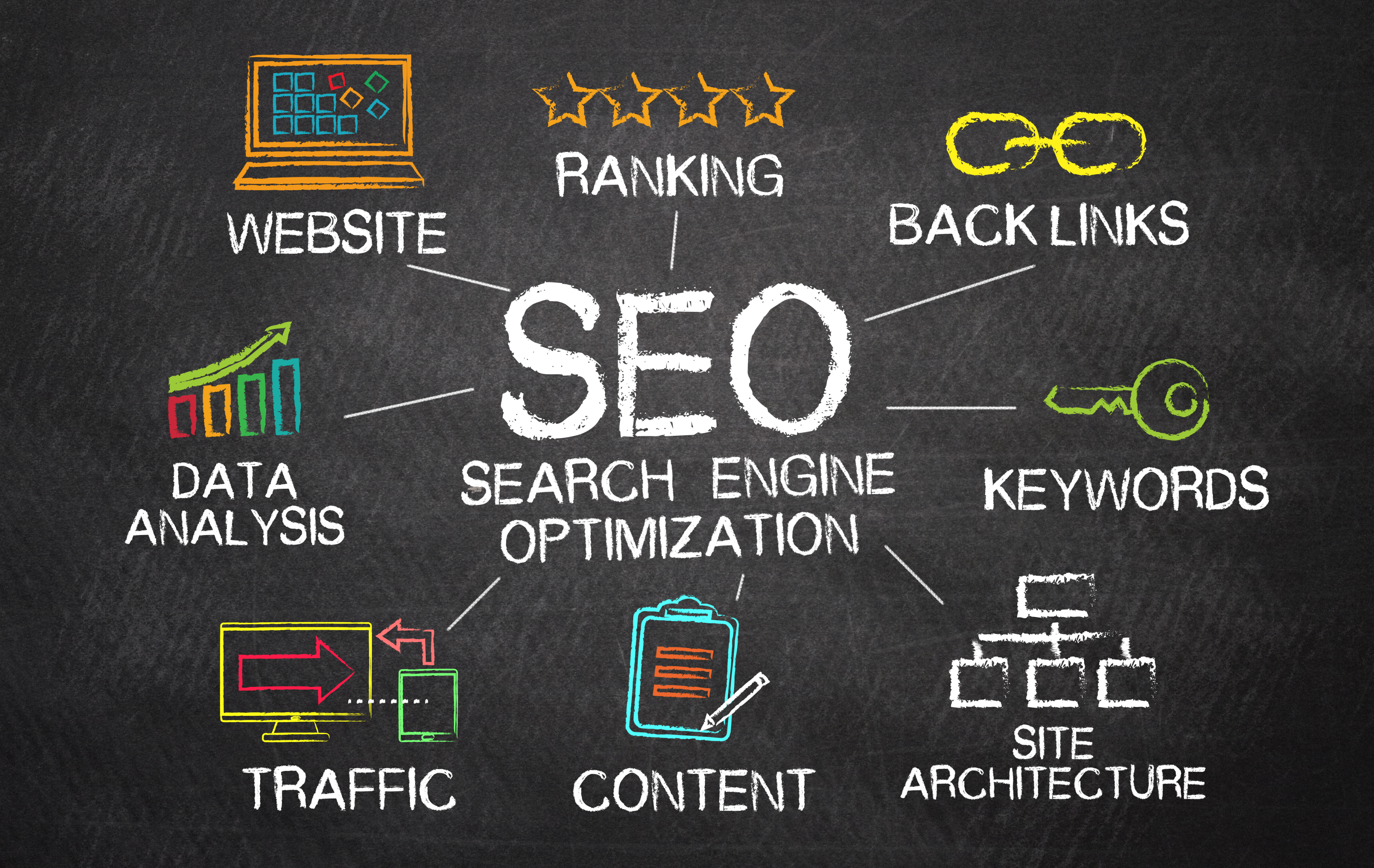
One of the key aspects of search engine optimization is keyword research. This involves identifying the specific terms and phrases that potential clients use when searching for construction services you provide online. By strategically incorporating these keywords into your website’s content, meta descriptions, and headers, you make it easier for search engines to understand what your site is about and match it with relevant search queries.
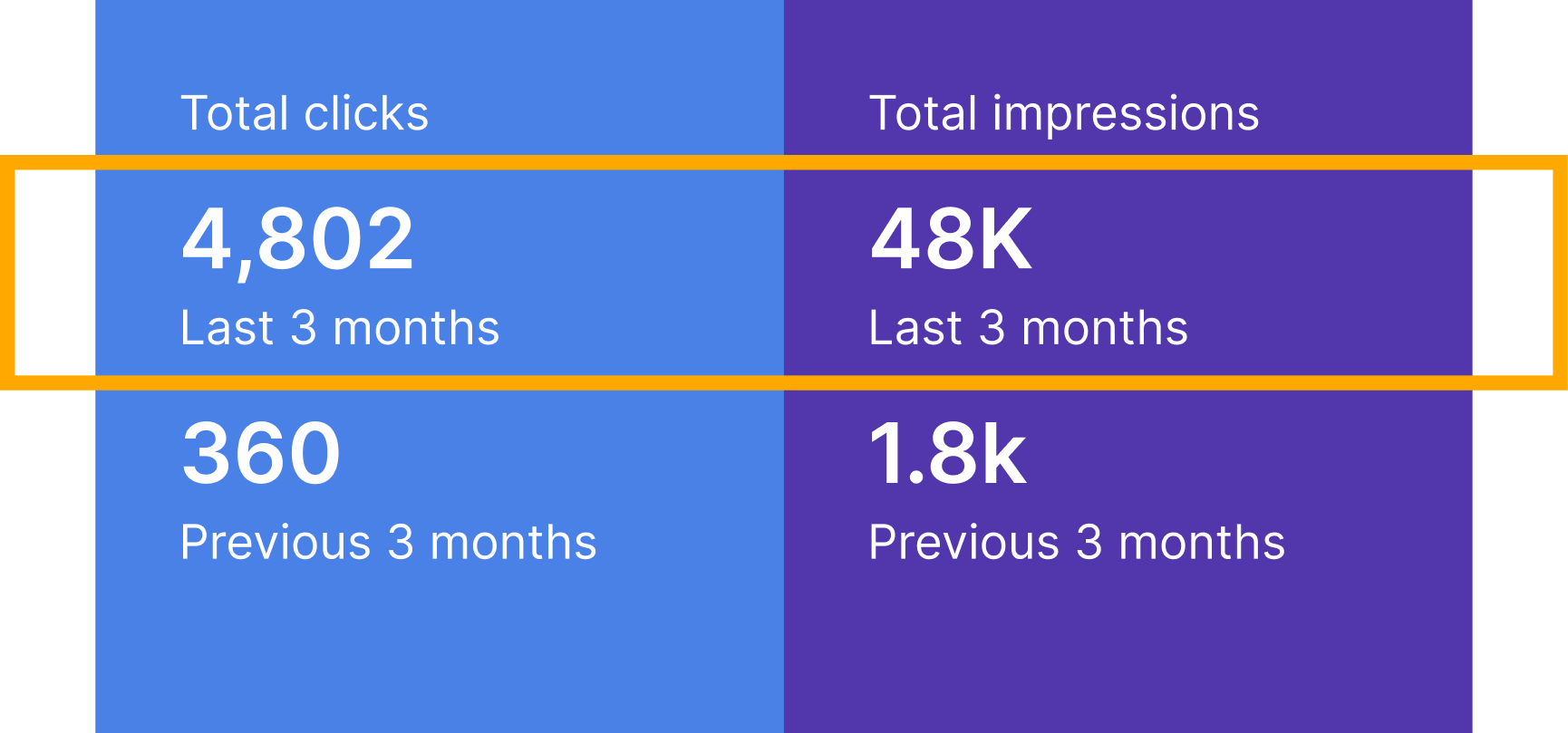
For construction companies, local SEO is especially important. Many clients search for services within their immediate area, and local SEO ensures that your company appears in these geographically-targeted searches. This includes optimizing your Google My Business profile, building local citations, and ensuring your name, address, and phone number (NAP) are consistent across the internet. Local SEO helps your construction company stand out in local search results, making it easier for nearby clients to find and contact you.
Additionally, search engines prioritize websites that offer valuable content, fast load times, and a good user experience. For construction companies, this means not only optimizing for the right keywords but also ensuring that your website is well-structured, mobile-friendly, and filled with high-quality content that addresses the needs of your potential clients.
In summary, SEO is an essential tool for construction companies looking to grow their business in a competitive industry. By focusing on search engine optimization, particularly through keyword research and local SEO, your construction company can significantly improve its online visibility, attract more clients, and stay ahead of the competition.
1. Understanding the Basics of SEO
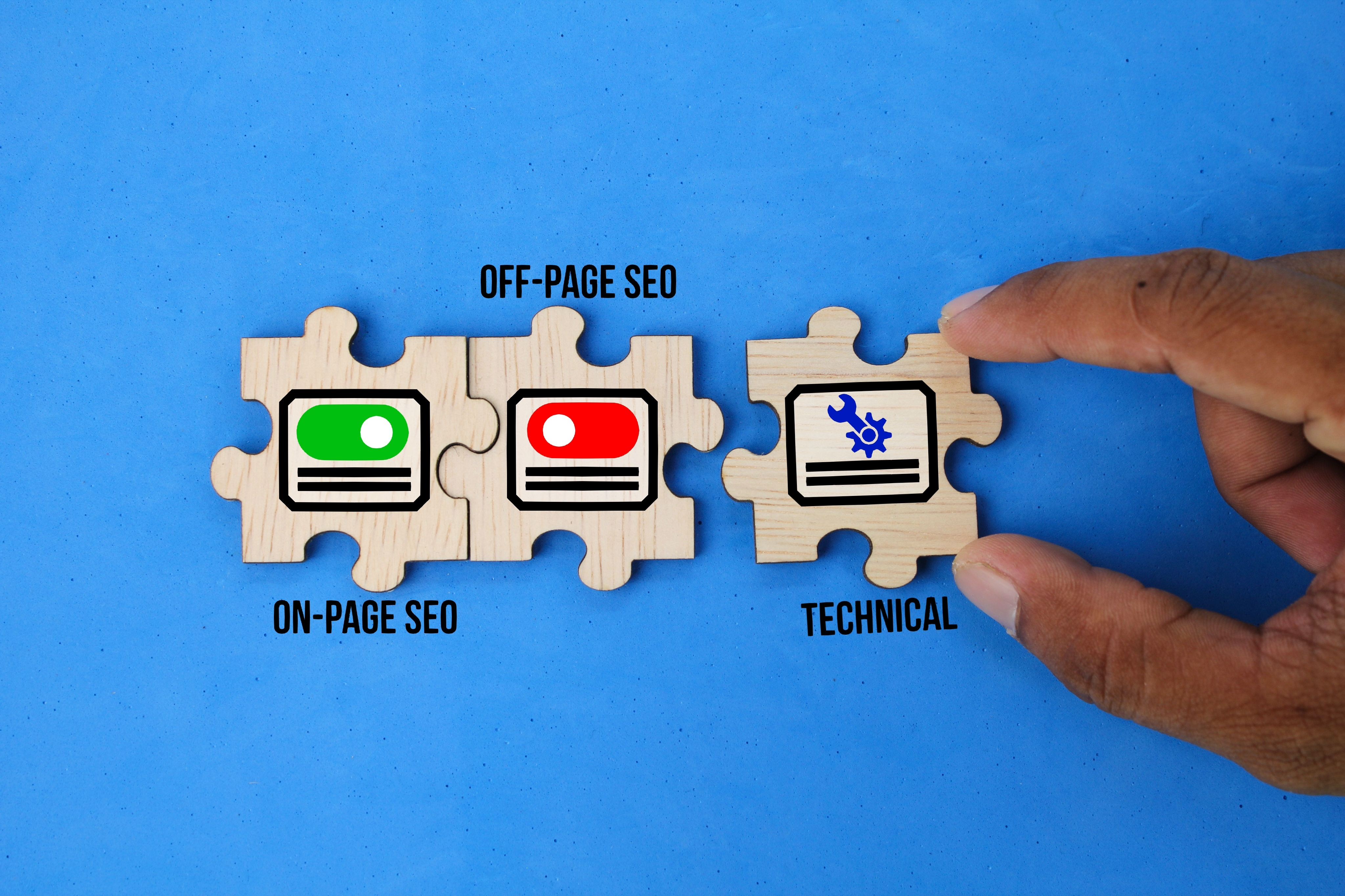
For construction companies, mastering the basics of SEO is crucial for enhancing online visibility and attracting more clients. SEO can be broken down into three main components: on-page SEO, off-page SEO, and technical SEO. Each of these plays a vital role in ensuring your construction company ranks higher on search engines like Google.
On-Page SEO
On-page SEO involves optimizing the content and structure of your website to make it more appealing to search engines. This includes incorporating relevant keywords, such as those identified through thorough keyword research, into your content, titles, and meta descriptions. For example, if your construction company specializes in home renovations, you’ll want to ensure that your website’s content prominently features keywords related to home renovations, remodeling, and similar services. On-page SEO also involves optimizing your website’s headers, images, and internal linking structure to improve its overall relevance and readability for both users and search engines.
Off-Page SEO
Off-page SEO refers to the actions taken outside of your website to improve its authority and ranking on search engines. This typically involves building high-quality backlinks from reputable websites within the construction industry. For construction companies, this could mean getting your projects featured on industry blogs, securing mentions in local business directories, or collaborating with partners who can link back to your website. The more authoritative and relevant the websites linking to your site, the more favorably search engines will view your website.
Technical SEO
Technical SEO is the backbone that supports both on-page and off-page efforts. It involves optimizing the technical aspects of your website to ensure that search engines can crawl, index, and understand your content effectively. This includes improving site speed (especially on mobile), ensuring mobile-friendliness, and implementing structured data to help search engines better interpret the content on your site. For construction companies, technical optimization is especially important because it ensures that potential clients can access your site quickly and easily, regardless of the device they’re using.
By combining on, off-page, SEO, as well as technical SEO, your construction company can create a comprehensive strategy that enhances visibility, drives traffic, and generates leads. In the highly competitive construction industry, mastering these SEO basics is essential for staying ahead of the competition and connecting with more clients through search engines.
2. On-Page SEO Strategies
For construction companies looking to improve their online presence, on-page SEO strategies are crucial. These strategies focus on optimizing the content and structure of your website to make it more appealing to both users and search engines. By focusing on keyword research, keyword optimization, and proper use of page elements like title tags and page titles, construction companies can significantly enhance their visibility online.
Keyword Research and Optimization
Effective keyword research is the foundation of any successful SEO strategy. For construction companies, identifying the right keywords means understanding what potential clients are searching for when they need your services. Once you’ve identified these keywords, the next step is keyword optimization, which involves strategically incorporating these terms into your website’s content. This includes placing keywords in page titles, headers, and throughout the body of your content in a way that feels natural and informative.
Title Tags and Page Titles
Title tags and page titles are critical components of on-page SEO. Title tags appear in the browser tab and search engine results, making them one of the first things potential clients see when they find your site. For construction companies, crafting compelling and accurate title tags that include your targeted keywords can significantly improve click-through rates. Page titles, on the other hand, are displayed on the actual webpage and should clearly convey the content’s purpose while including relevant keywords. Ensuring that your page titles and title tags are optimized not only helps with keyword optimization but also improves user experience by making it easier for visitors to understand the content of your pages.
Link Building
Link building is another essential aspect of on-page SEO. While it often overlaps with off-page strategies, internal link building plays a crucial role in guiding visitors through your website and distributing authority across different pages. For construction companies, creating a well-structured internal linking strategy ensures that users can easily navigate between different sections of your site, such as service pages, project portfolios, and contact information. Additionally, internal link building helps search engines understand the hierarchy and importance of your pages, which can improve rankings.
By focusing on keyword research, title tags, page titles, and link building, construction companies can create a solid foundation for their on-page SEO efforts. These strategies not only enhance your website’s visibility but also ensure that visitors have a seamless, informative experience, making them more likely to convert into clients. For more insights into optimizing your website, check out our guide on Best Construction Company Websites: How to Build a High-Converting Site.
3. Local SEO for Construction Companies
For a local construction company, mastering local SEO is crucial for connecting with clients in your area. Local SEO focuses on optimizing your online presence to appear prominently in local searches, particularly those made through Google or Apple Maps and other local directories. By targeting local search rankings, you can ensure that your business is visible to potential clients searching for construction services nearby.

Optimizing Your Google Business Profile
One of the first steps in local SEO is optimizing your Google Business Profile. This profile is often the first thing people see when they perform local searches, and it plays a significant role in your local search rankings. To optimize your Google Business Profile, ensure that all your business information is accurate and up-to-date. This includes your business name, address, phone number, and business hours. Adding high-quality photos and regularly updating your profile with posts or special offers can also enhance your visibility in local searches.
Leveraging Google Maps and Google Business Profile
A well-optimized Google Maps listing is essential for any local construction company. Your Google (and Apple Maps, for that matter) Maps listing is directly linked to your Google Business Profile, so ensuring consistency across these platforms is key. When your Google and Apple Maps listings are accurate and complete, it makes it easier for potential clients to find your location and contact you directly. Additionally, an optimized listing can improve your chances of appearing in the coveted “Local Pack” at the top of Google searches, which showcases the top three local businesses for a given query.
Building and Managing Local Listings
In addition to your Google Business Profile, it’s important to ensure that your local listings across other platforms are consistent. This includes directories like Yelp, Bing Places, and other local business listings. Consistency in your business name, address, and phone number (NAP) across these platforms helps build trust with search engines and improves your local search rankings. Regularly updating your local listings to reflect any changes in your business information is also critical.
Encouraging Online Reviews
Online reviews play a significant role in local SEO. Positive reviews not only enhance your reputation but also contribute to higher local search rankings. Encouraging satisfied clients to leave reviews on your Google Business Profile and other review sites can help boost your visibility in local searches. Additionally, responding to reviews—both positive and negative—demonstrates your commitment to customer service, which can further improve your local SEO efforts. For tips on managing your online reputation, read our article on Construction Company Reviews: Managing and Enhancing Your Online Reputation.
By focusing on local SEO strategies like optimizing your Google Business Profile, leveraging Google Maps, and maintaining consistent local listings, a local construction company can significantly improve its visibility in local searches, attracting more clients from the surrounding area.
4. Off-Page SEO Strategies for Construction Businesses
In addition to on-page optimization, off-page SEO plays a crucial role in improving your website’s authority and driving more website traffic. For construction businesses, a well-rounded off-page strategy is essential to building credibility and ensuring long-term success. This involves securing relevant backlinks, engaging in content marketing, and leveraging other SEO services to boost your site’s performance.

Building Relevant Backlinks
Relevant backlinks are one of the most valuable assets in off-page SEO. Backlinks are links from other websites that point back to your own, signaling to search engines that your site content is credible and valuable. For construction businesses, earning backlinks from industry-specific sites, such as construction blogs, supplier directories, or trade publications, can significantly improve your site’s authority. The more relevant backlinks you accumulate, the higher your site is likely to rank, ultimately driving more website traffic.
Content Marketing for SEO
Content marketing is another critical component of off-page SEO. By producing high-quality, shareable content, you can attract more visitors to your site and encourage other websites to link back to your content. Effective content marketing involves creating a variety of content types, such as blog posts, articles, videos, infographics, and case studies, that resonate with your target audience. For construction businesses, content marketing can include showcasing successful projects, sharing industry insights, or providing expert tips on construction practices.
When integrated into your overall construction SEO strategy, content marketing helps establish your business as an authority in the industry. By consistently publishing valuable site content, you can boost website traffic and enhance your online reputation. Moreover, well-executed content marketing can lead to additional relevant backlinks, further strengthening your off-page SEO efforts.
Leveraging SEO Services for Better Results
To maximize the effectiveness of your off-page SEO, it’s often beneficial to enlist professional SEO services. Companies specializing in construction SEO services can provide tailored strategies to help you earn more backlinks, optimize your content marketing efforts, and monitor your website’s performance. These SEO services are designed to complement your existing efforts, ensuring that your site ranks higher and attracts more visitors over time.
By focusing on relevant backlinks, content marketing, and professional SEO services, construction businesses can develop a comprehensive off-page strategy that drives significant website traffic. Implementing these strategies will not only enhance your online presence but also contribute to the long-term success of your business in a competitive market.
5. Technical SEO for Construction Websites
In today’s digital landscape, ensuring that your construction website is optimized for technical performance is essential for achieving higher organic search results and providing a seamless user experience. Technical SEO focuses on the backend aspects of your website that influence how well it performs in organic results, particularly on mobile devices. Given that a significant portion of users access websites via mobile devices, optimizing your site for these platforms is crucial for any business.
Mobile Optimization
With the increasing use of mobile devices, it’s vital that your construction website is fully optimized for mobile users. This means ensuring that your site loads quickly, displays correctly, and is easy to navigate on smaller screens. A well-optimized mobile site not only enhances the user experience but also improves your rankings, as search engines prioritize mobile-friendly sites in their algorithms. If you’re using a website builder, make sure it offers mobile-responsive design options to keep your site competitive.
Site Speed and Performance
One of the most critical aspects of technical SEO is site speed. Slow-loading pages can frustrate users and lead to higher bounce rates, which negatively impacts your placement in search results. Improving site speed involves compressing images, reducing server response times, and leveraging browser caching. A fast, efficient website not only keeps users engaged but also signals to search engines that your site is well-maintained, helping you achieve better rankings in organic search.
Structured Data and Schema Markup
To further enhance your construction SEO efforts, implementing structured data and schema markup can make a significant difference. These tools help search engines understand the content on your site more effectively, leading to more accurate search results and potentially enhanced visibility through rich snippets. For example, using schema markup to highlight key details such as business hours, locations, and customer reviews can make your construction business stand out in search results, driving more clicks and engagement.
Crawling and Indexing
Ensuring that your construction website is easily crawled and indexed by search engines is another important aspect of technical SEO. This involves creating a clear sitemap, optimizing your site’s robots.txt file, and fixing any crawl errors that could prevent search engines from properly indexing your content. By working with a construction SEO company or an experienced SEO professional, you can ensure that your site is fully optimized for both users and search engines, improving your overall search performance.
Incorporating these technical SEO practices into your construction SEO strategy will help your site perform better in search results, particularly in organic search results, and provide a better user experience across all devices. This will ultimately contribute to the long-term success of your construction business by making your website more accessible, faster, and easier to navigate for all users.
Conclusion: The Long-Term Value of Construction SEO
Investing in construction SEO is essential for any business in the construction industry that wants to achieve long-term success in today’s competitive digital landscape. SEO for construction companies is not just about getting your web pages to rank higher in search results; it’s about building a robust online presence that consistently attracts and engages your target audience. By focusing on the right strategies and working with an experienced SEO agency, you can ensure that your business remains visible and competitive in an ever-evolving market.
Investing in SEO for construction is a smart move for any business looking to grow and thrive in a competitive market. By focusing on the right strategies and partnering with a skilled SEO agency, you can ensure that your web pages are optimized to reach your target audience effectively. Construction companies SEO is about building a strong foundation that supports your business goals and drives lasting success. With a well-executed SEO campaign, your construction business can achieve higher visibility, increased traffic, and ultimately, greater profitability in the digital age.